
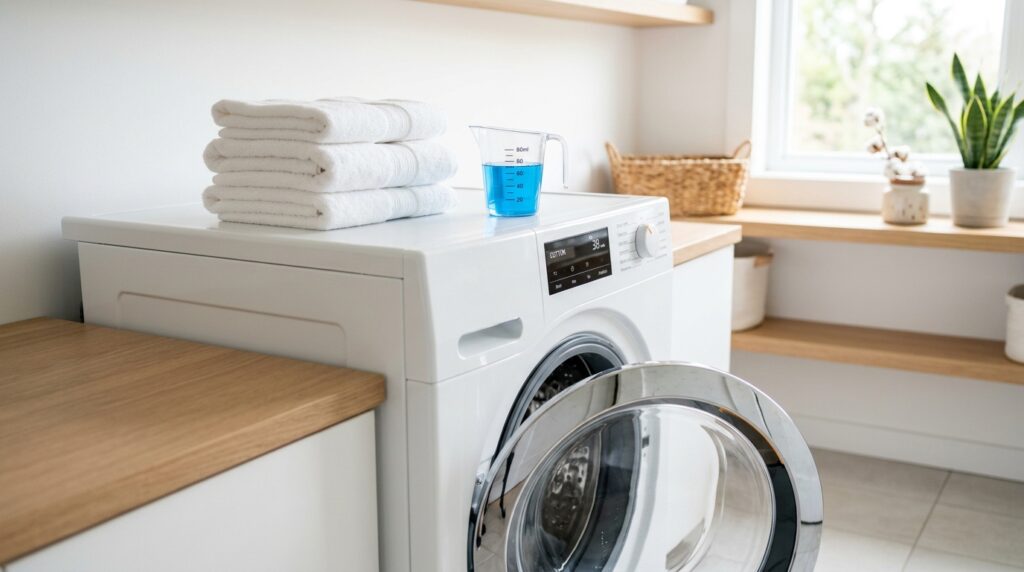
For B2B laundry brands, distributors, and private label cleaning product importers, understanding consumer behavior is just as important as mastering chemical formulations. One of the most widespread inefficiencies in the consumer market today centers around a single question: how much laundry detergent to use?
Pull out a standard retail detergent cap and look closely at the measurement lines. If your customers fill that cap to the top, they are quite literally pouring money down the drain—and actively ruining their garments.
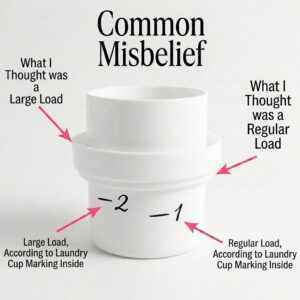
Mass-market retail caps are frequently designed to hold significantly more liquid than a standard wash load requires. This drives over-dosing, creating a costly cycle where clothes never actually get clean. To position your brand as a trusted, high-efficiency authority, you must educate your market on the exact science of the correct laundry detergent dose.
The Golden Rules of Correct Dosing
A universal dosing chart does not work because modern washing machines handle water volumes entirely differently. Instead, establishing an accurate high efficiency washer detergent amount depends on three precise variables: machine type, load size, and formula concentration.
- High-Efficiency (HE) Washers
Modern front-loaders and HE top-loaders use up to 80% less water than traditional legacy machines. Because the water volume is low, they require incredibly precise dosing. For a normal load (filling about half the drum), consumers only need 1 tablespoon of a standard liquid detergent.
- Traditional Top-Loaders
Older, non-HE washing machines use massive amounts of water to submerge and agitate fabrics, meaning the active cleaning agents dilute much faster. For a standard load in a traditional machine, the recommended amount is 2 tablespoons of liquid detergent.
- Extra-Large and Heavily Soiled Loads
For maximum-capacity drums, heavily stained commercial workwear, or muddy sports gear, users can safely scale up to 3 tablespoons. Pushing past this threshold yields zero additional chemical benefit.
- Factoring in Concentration Levels (2x, 4x, 10x)
B2B buyers looking to minimize international shipping weights often opt for ultra-concentrated formulations. When importing or selling a 2x or 4x concentrated formula, it is critical to adjust the packaging dosage cap lines accordingly. With high concentration levels, a single teaspoon is often more than enough to handle light to medium wash loads.
The Hidden Cost of Excess Soap: The Science of Residue
When consumers use too much soap, they trigger a chemical and mechanical cascade that damages both their clothes and their appliances.
- Severe Surfactant Buildup on Fabrics
When there is an excess of active surfactants and insufficient water to flush them away, a microscopic layer of soap remains locked within the fabric fibers. This too much laundry detergent residue acts like a chemical adhesive, trapping dead skin cells, body oils, and environmental dirt. Instead of coming out clean, fabrics become stiff, scratchy, dull, and prone to graying.
- Mechanical Threats to Modern Washers
Modern washing machines are equipped with internal optical sensors designed to detect suds levels during the drain cycle. Excess suds trigger an automated “suds lock,” forcing the machine to run continuous, unscheduled extra rinse cycles. For the consumer, this wastes tens of gallons of water and rapidly wears out the appliance’s water pump and motor.
- The Mold, Biofilm, and Odor Trap
Leftover surfactant residue does not just stay on clothes; it coats the outer drum, plastic drainage tubes, and rubber door gaskets of the washing machine. This sticky layer creates a perfect biological breeding ground for mold, mildew, and black biofilm. The irony is stark: overusing detergent directly causes that foul, musty “sour washer” smell.
Diagnostic Checklist: Has Your Market Over-Dosed Their Laundry?
Provide your audience with these immediate diagnostic signs to help them determine if they are using too much laundry detergent:
The Tactile Texture: Clothes emerge from the wash feeling crunchy or unnaturally stiff when dry, or slightly slimy/greasy when wet.
The Visual Indicators: Dark garments look faded, lose their vibrancy, or display visible white streaks (which consumers frequently mistake for lint but is actually dried surfactant buildup).
The Olfactory Cue: The washing machine drum itself smells musty or damp, despite the frequent use of highly fragranced detergents.
Partner With a Precise Export & Private Label Manufacturer
In the competitive B2B cleaning products landscape, delivering a superior chemical formula is only half the battle—providing clear, transparent dosing instructions on your packaging builds long-term brand loyalty.
We manufacture high-efficiency, commercial-grade liquid detergents optimized for international markets. Whether you require standard formulations or ultra-concentrated liquid technologies designed to reduce international freight and packaging footprint, we ensure precise surfactant loads that rinse completely clean in both hard and soft water conditions.
Ready to Optimize Your Product Portfolio?
Contact our export division today to discuss custom formulation active matters, bottle capping specs, and private label bulk pricing for your distribution network.